Press Brake Backgauge Retrofit: Upgrade the Control or Replace the System?
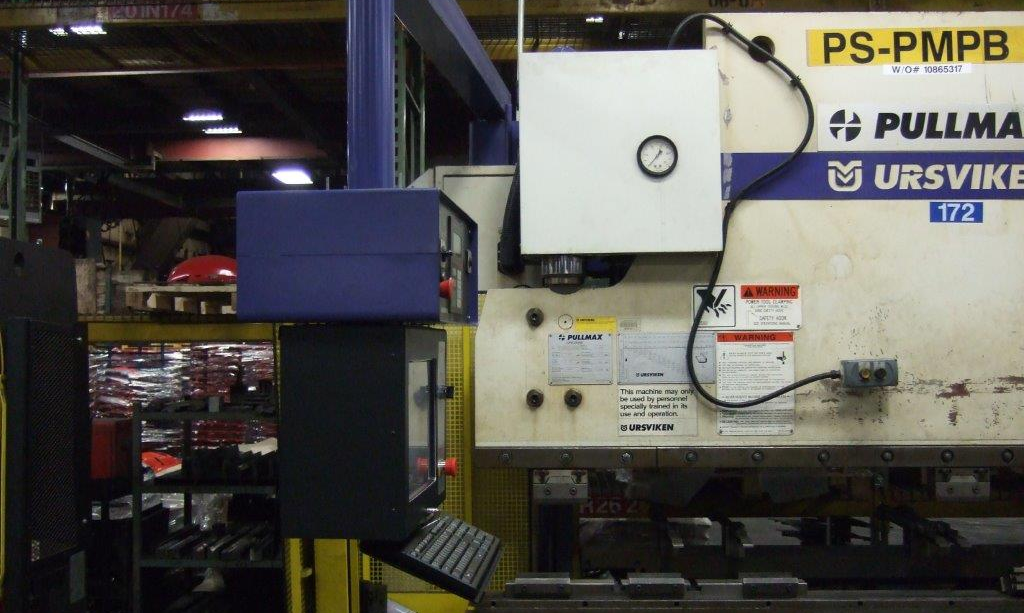
An outdated backgauge control does not automatically mean your press brake needs an entirely new positioning system. A press brake backgauge retrofit can replace aging control technology while retaining mechanical equipment that still works well. For compatible machines, this creates an opportunity to modernize the controls without discarding a usable backgauge.
The important question is what your equipment actually needs. Is the existing control becoming difficult to support? Does the backgauge require mechanical repairs? Or has your production work outgrown the current system?
Understanding those differences helps you plan a CNC retrofit around the right investment, rather than replacing too much or upgrading too little.
What Does a Press Brake Backgauge Retrofit Include?
A programmed backgauge system combines a controller with a motorized positioning mechanism. The operator enters dimensions, and the gauge moves through the programmed positions needed for the job. The controller and the mechanical backgauge work together, but they are not the same component.
A backgauge retrofit may therefore involve upgrading the control while keeping the existing mechanism, or replacing more of the system when its condition requires it. That distinction matters when requesting quotes. “New backgauge controls” and “a complete replacement backgauge” describe different scopes of work.
Before choosing equipment, ask the retrofit provider to identify what will remain, what will be replaced, and which functions the completed system will provide.
When Does a Backgauge Control Upgrade Make Sense?
A control-focused upgrade is worth evaluating when the backgauge remains serviceable and meets your fabrication needs. PC Controls advises that a backgauge in good condition, or one that can be repaired economically, does not necessarily need replacement. Compatible, reliable servo motors and amplifiers may also remain in use after evaluation.
When the electronics become the limiting factor
Control support can become a concern even while the mechanical equipment remains useful. For example, Automec identifies its CNC 99, CNC 1000, CNC 2000, and G24 controls as obsolete and no longer serviceable by the manufacturer. It also describes upgrade options for systems whose mechanical structures remain in good condition.
That makes the distinction between control replacement and backgauge replacement especially important. Before approving another repair, ask whether it addresses the immediate fault only or provides a supportable path for continued operation.
When programming needs have changed
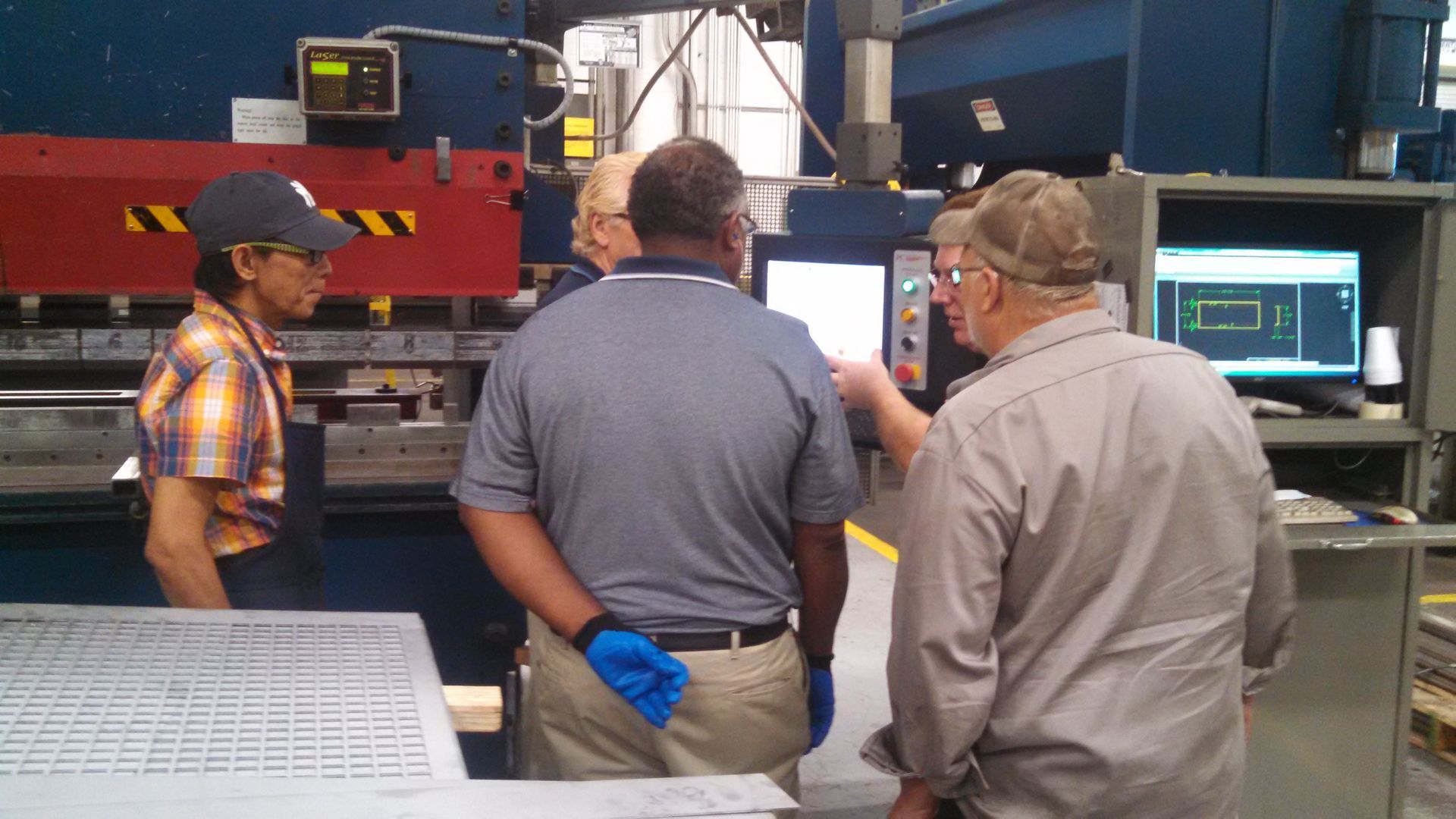
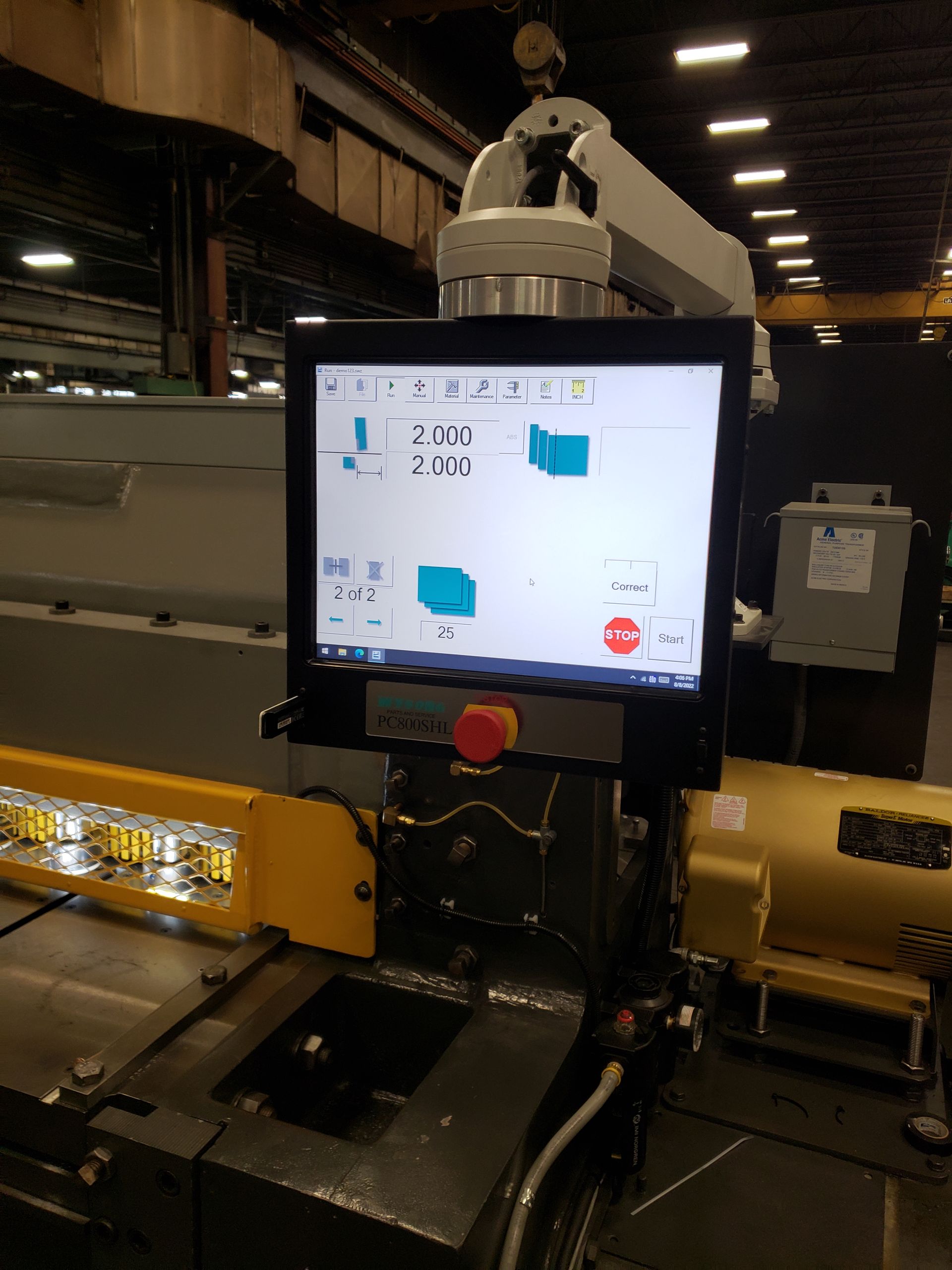
A control upgrade can also be considered for its programming capabilities. PC Controls’ PC800 press brake control includes Bend Wizard software with graphical programming and part-simulation features. These offer a different operating experience from controls without those capabilities.
Evaluate those features against your actual work. Ask to see how an operator would program a representative part, make a correction, and return to that job later.
When Is Backgauge Replacement the Better Choice?
A new controller should not be treated as a substitute for repairing a faulty mechanical system. When the backgauge itself is no longer working properly, the scope may need to include mechanical repairs or replacement rather than an electronics-only upgrade.
The practical question is whether the existing backgauge can meet your requirements after reasonable repairs. Ask for an assessment that distinguishes control faults from mechanical problems before deciding which components to retain.
Replacement may also be worth discussing when the existing gauge no longer suits the work you need to produce. PC Controls offers Automec replacement backgauges with options for X-axis movement, which moves the gauge in and out, and R-axis movement, which adjusts its height. The appropriate configuration depends on the application.
Bring examples of the parts that challenge your current setup. That gives the retrofit team a clearer objective than simply asking for “more capabilities.”
Can Hurco and Automec Backgauges Be Retrofitted?
PC Controls documents control upgrades for press brakes equipped with both Hurco and Automec systems.
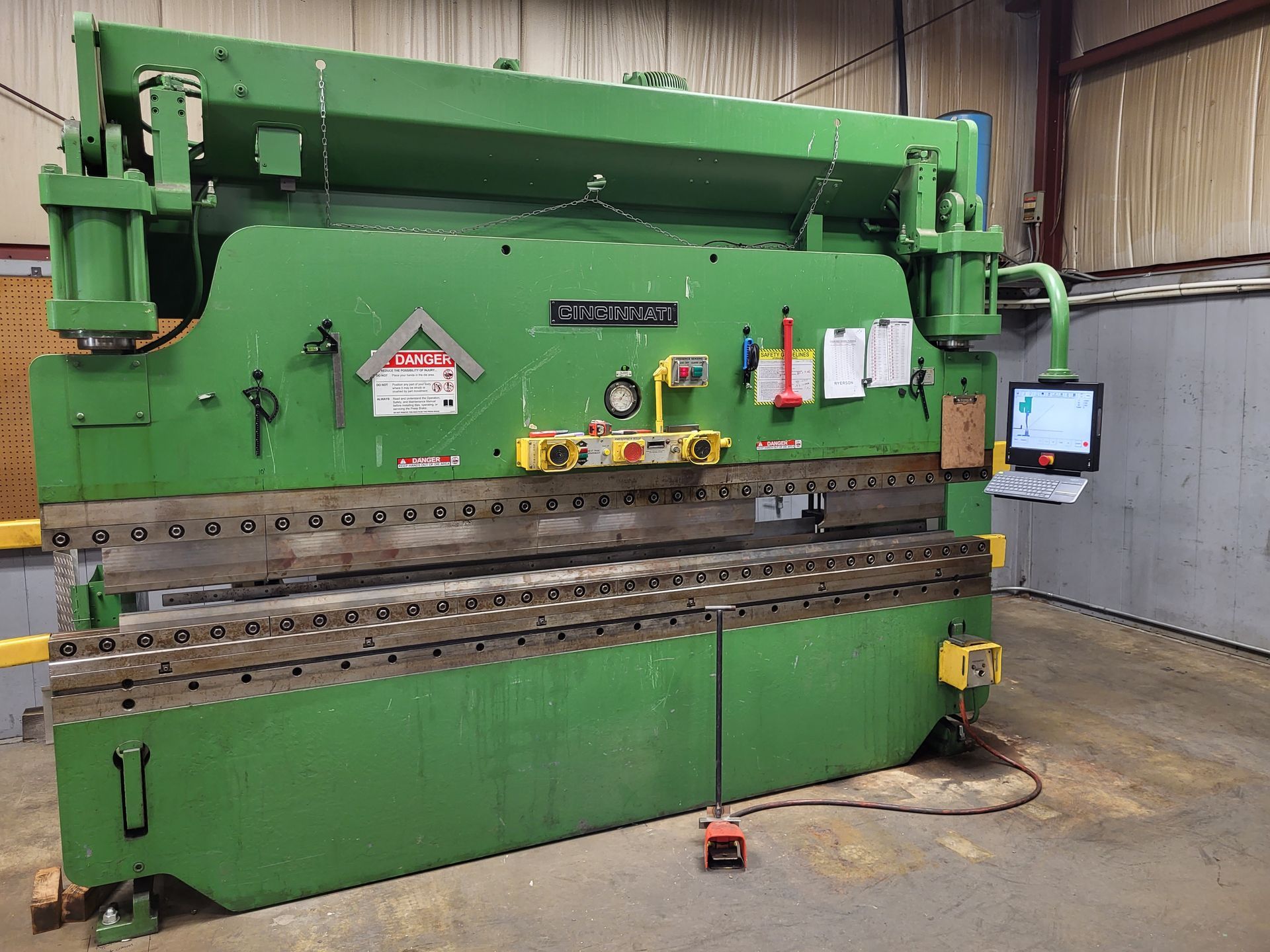
Its Hurco retrofit examples include a Pacific K Series press brake with an Autobend 5 control and a Cincinnati CB press brake with an Autobend IV control. These illustrate an important detail: the press brake manufacturer and the backgauge control manufacturer may be different.
The company’s Automec examples include a Wysong MTH press brake with a CNC 99 control and a Pacific J Series press brake with a CNC 1000 control, both upgraded using PC800 controls.
When requesting a Hurco backgauge retrofit or an Automec control upgrade, provide identification for both the press brake and the existing control. Ask the supplier to confirm compatibility with your specific configuration rather than relying on the brand name alone.
What Can a PC800 Control Upgrade Add?
PC Controls’ PC800 press brake system uses Bend Wizard programming software. Its documented features include automatic program creation, two-dimensional part simulation, DXF importing for tooling and part profiles, and the ability to attach photographs to part files as tooling-orientation references.
For a shop evaluating a press brake control upgrade, those features provide specific capabilities to investigate. Consider whether operators would benefit from seeing the forming sequence, referencing setup photographs, or preparing programs away from the machine.
Automec’s PC800 documentation also describes saving jobs for later recall and programming either at the press brake or offline. These capabilities are relevant to shops that regularly return to previously produced parts.
Rather than judging a control by its screen alone, compare the complete workflow. How will your team create a program, select tooling, document the setup, and retrieve the job when the next order arrives?
How Should You Compare Retrofit Quotes?
Compare the scope of work before comparing the bottom-line price.
Ask each provider to specify whether the proposal includes only the controller or also motors, drives, wiring, mechanical repairs, installation, and training. Request a clear explanation of any components that will remain dependent on older replacement parts.
Include your own operating costs in the decision. Review recent repair expenses, control-related production interruptions, and the time operators spend preparing repeat jobs. Use your shop’s records rather than assuming that another facility’s savings will apply to yours.
The most useful proposal is one that connects the recommended equipment to your machine’s condition and your production requirements.
Preparing for a Press Brake Backgauge Retrofit
Before requesting a quote, gather the press brake’s make and model, the control identification, and the backgauge’s model or serial number where available. Prepare recent photographs and a description of the problems you want the retrofit to solve.
Also identify the functions you need to preserve. Explain which jobs run well today, which setups create difficulty, and what you expect from the upgraded system.
PC Controls begins its evaluation with machine details and photographs. Its documented installation process includes operator and maintenance training, electrical and operational documentation, and a parts run-off using the customer’s tooling and materials.
Ask how that run-off will demonstrate the functions and results agreed upon for your project.
Discuss Your Retrofit Options With PC Controls
The starting point is not “replace everything” or “keep everything.” It is a clear understanding of what your press brake needs to continue serving your operation.
PC Controls provides CNC control retrofit solutions for metal fabrication equipment, including press brakes equipped with Hurco and Automec backgauge systems. Its documented installations provide a starting point for discussing your own machine.
Contact PC Controls to discuss your press brake backgauge retrofit. Share your machine details and production goals to explore whether a control upgrade, backgauge replacement, or a combination of both is appropriate for your equipment.